WHAT IS
SPRAY FOAM INSULATION?
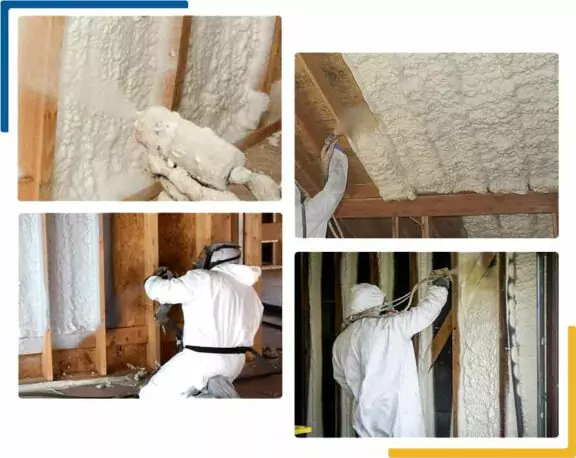
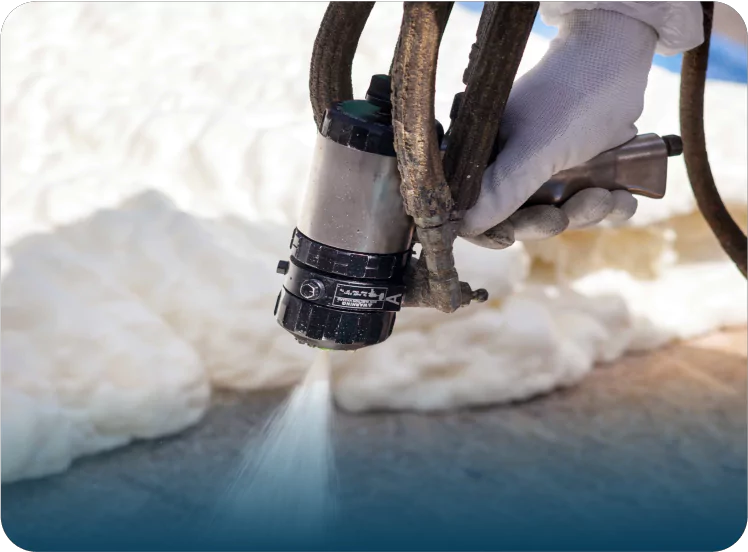
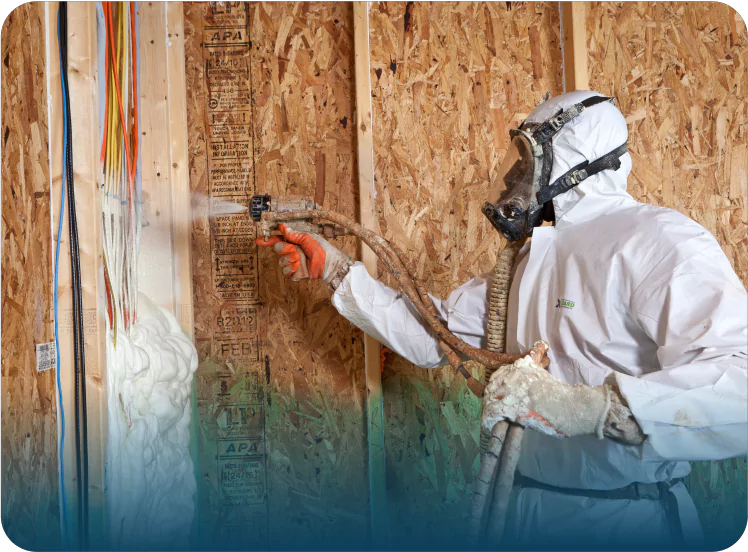
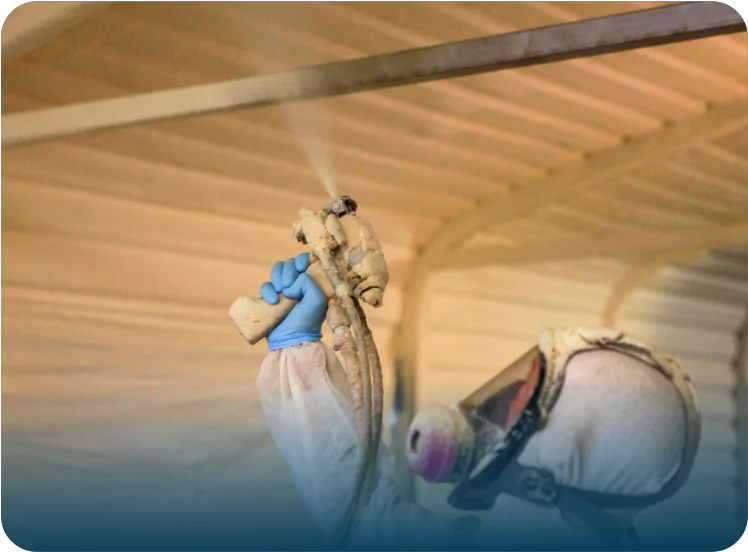
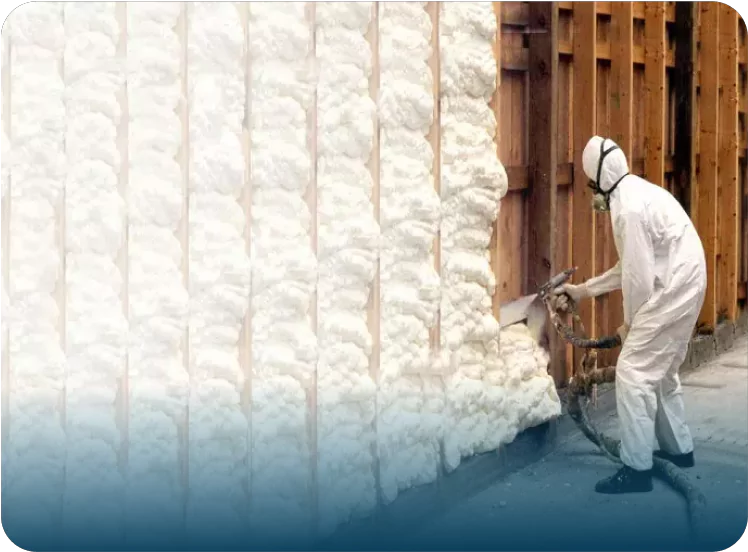
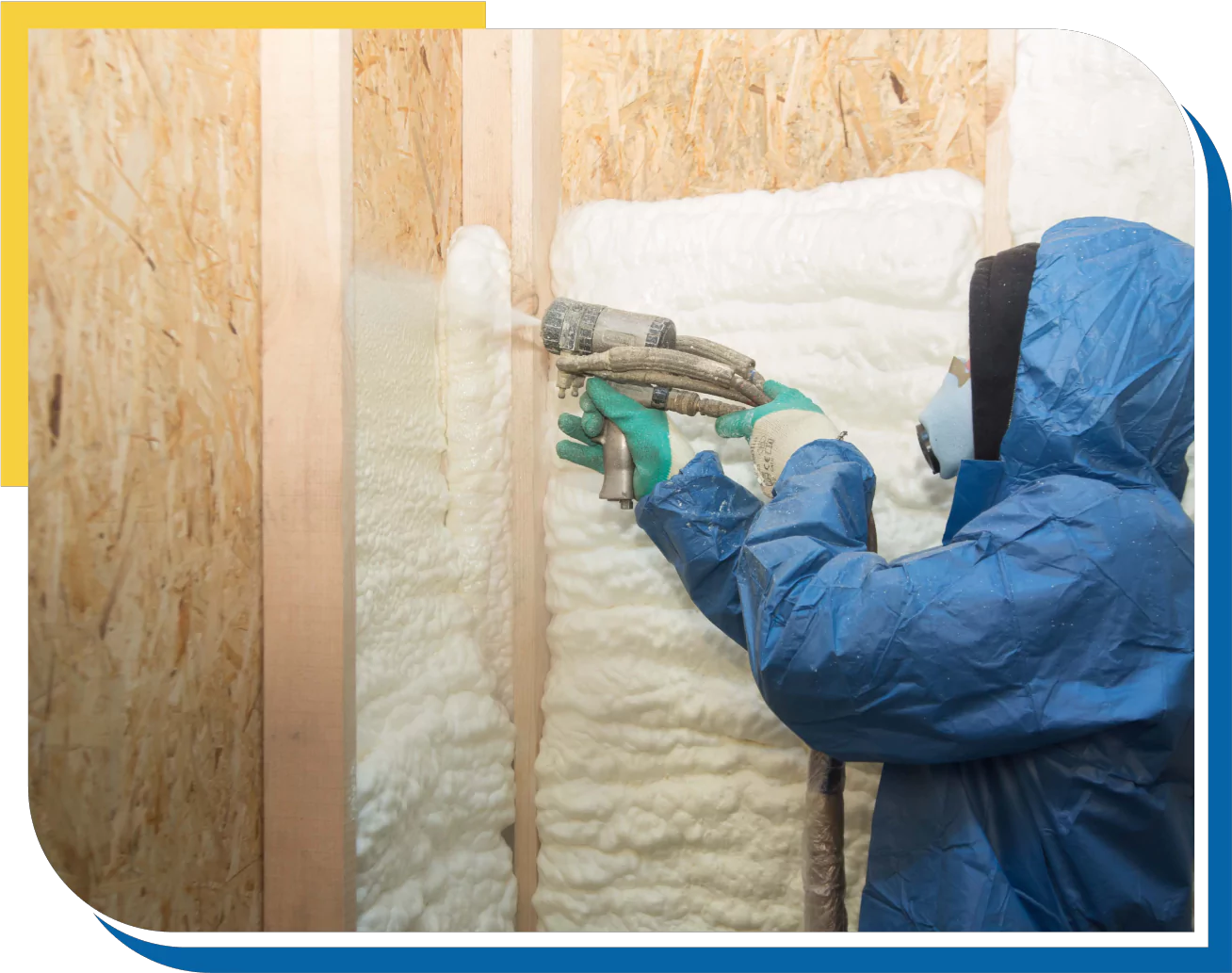
Spray foam insulation, sometimes just abbreviated SPF, is a highly effective insulation technology that uses sprayable polymer materials like polyurethane to insulate buildings and seal cracks and gaps. Spray foam insulation can be used for both new and existing structures, and can help save big on energy bills, easily covering the cost of installation in only a matter of months. It can also help reinforce structural elements, and serves as an effective solution for achieving quieter homes and offices. It’s the most effective insulation available on the market, and provides the strongest airtight seal for cozier, quieter days, whatever the season.